
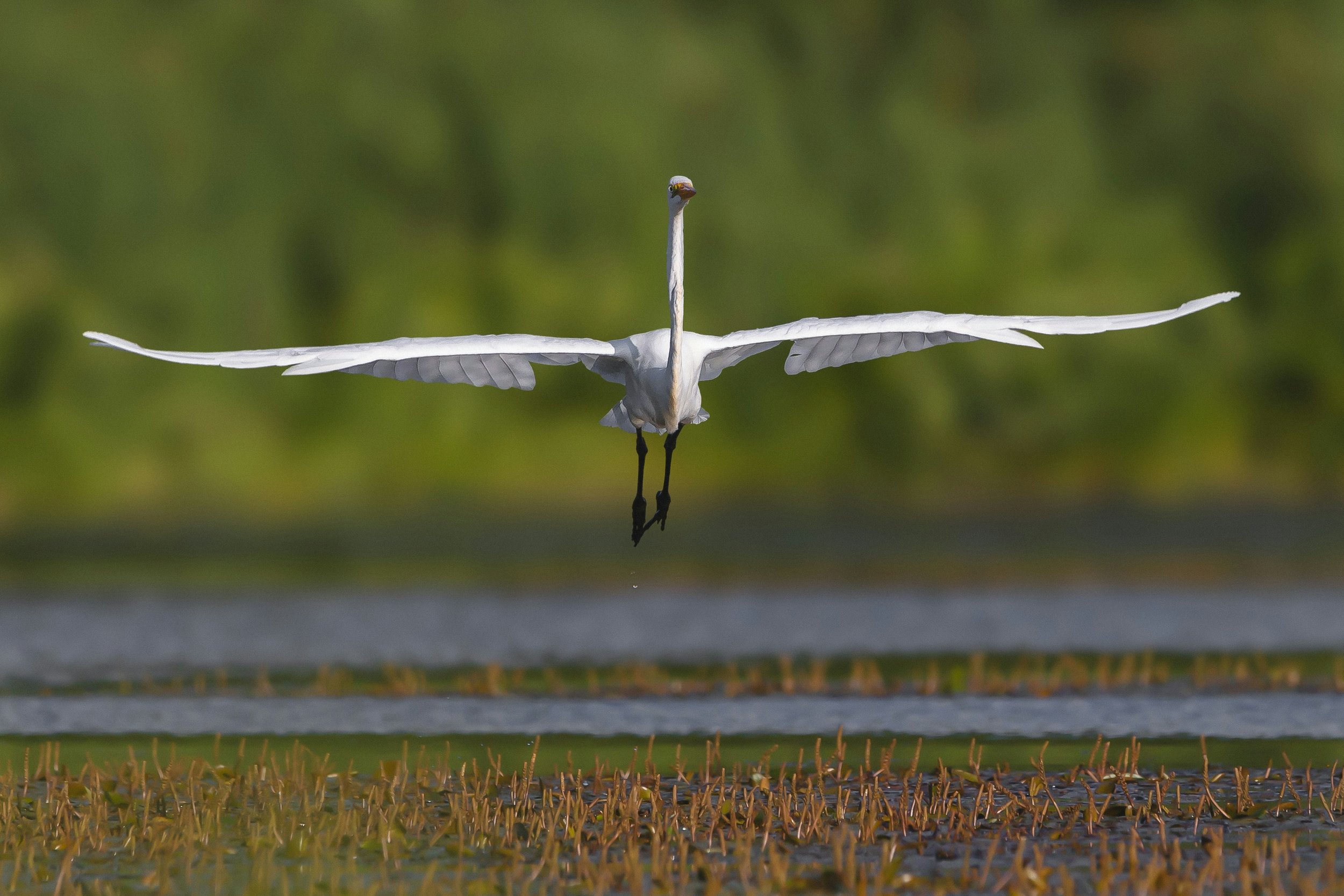
Poems are like herons
Roderick Deacey’s debut book is aptly titled. As the poet says in an introductory note, “Birds flew into these poems, sometimes merely as a mention, sometimes just a feather or two, sometimes swirling and tumbling across the sky for the pure joy of it.” Deacey beautifully communicates this joy to readers in these poems.

Learning Where We Tread
Rather than prescribing a single path forward, Tread Upon demonstrates that attention itself can be transformative. Once knowledge changes how we perceive the world, it changes how we move through it. Kondrich reminds readers that every step leaves an impression and that learning where we tread may be the beginning of learning how to care for what surrounds us.
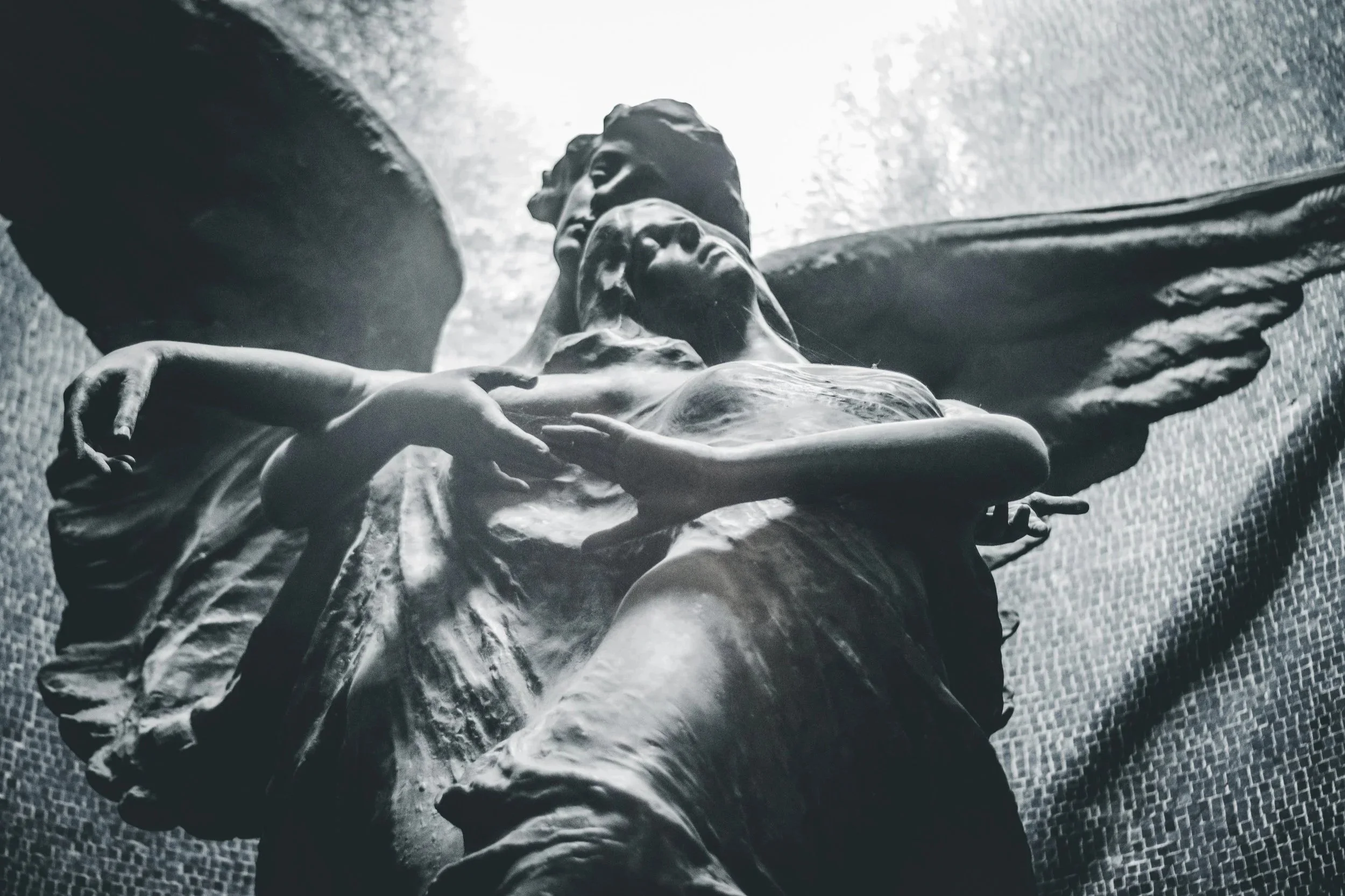
Even broken angels heal
In this collection, Gary uses formal poetry and vivid artistic imagery to transform fragmented memory into a coherent story of survival and healing. These forms provide a structure to memories that often come in waves, presenting fragments of sorrow and happiness. Gary’s poetry sings on every page.
For every flare that faded out, another one lit up
The Sky will Hold is a book of survival, of second chances, of recovery and new beginnings. In this, her third full-length collection, Elizabeth Hazen explores loss and renewal, addiction and sobriety, the joys and difficulties of marriage and mothering. Many of these poems embody the mixed—even contradictory—emotions inevitably experienced in growing through life and navigating its changes.

“You forget I can regrow my fangs, charmer”
The vagaries of love—romantic, sexual, or platonic—are an eternal theme for poetry, but Katherine Gekker manages to bring fresh observations to the subject in her second collection, O My Charmer. By turns witty and angry, contented and fearful, the poems in this book are compelling as they chart various phases of a sometimes turbulent relationship. It’s good to have new work from this fine poet.

Poems of the Unexpected—and the Struggle to Connect
Two words I’d use to describe the poems in this collection—their language and imagery—are muscular and unexpected. By muscular I mean the words and images aren’t just substantial, they flex and push against you as you read; a reader feels pulled into grappling with them. Unexpected images and metaphors—that sometimes don’t initially seem to fit the tone—and unusual words surface a lot. This makes the reading experience satisfying work. It doesn’t shut the reader out, but demands something from them.

Where a Poetic Repository of Gesture Becomes a Spiritual Release
Gestures carry the weight of words. Think of the hand wave that signals “hello” or “goodbye,” or blowing a kiss to someone. These tiny actions can hold such significance. Gestuary by French-Senegalese poet Sylvie Kandé, translated into English by Nancy Naomi Carlson, is a repository for gestures that carry cultural significance and instances of violence, as well as historical significance. The original was published as Gestuaire by Éditions Gallimard in 2016 and received the 2017 Prix Louise Labé. Carlson’s translation, issued by Seagull Books, came out this year.
“She told me and I remember knowing”
Displacement, memory, raising a child in a new country—these are some of the themes that Burgi Zenhausern treats in her first full length collection, White Door. The fact that these fine poems were written in Zenhausern’s second language makes this achievement even more impressive.
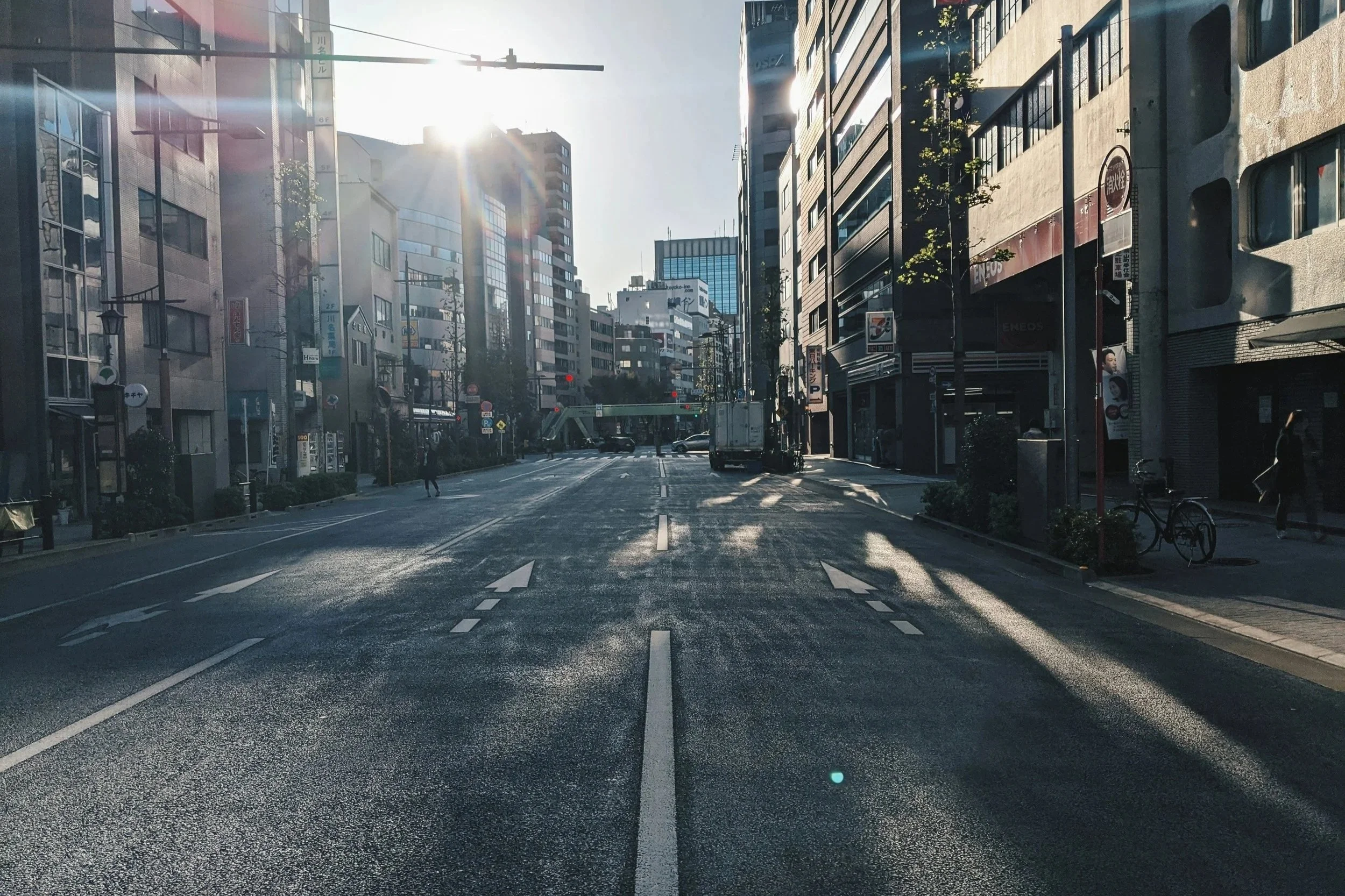
“Where does tranquility exist?”
True Blue, while ostensibly a journey through the pandemic, in fact ranges widely through interiors (both physical and mental), nature and cities, and memories in search of those consolations.