A conversation with Maurice Tyree, Katie SInger, and Chloe Miller
by Norah Vawter
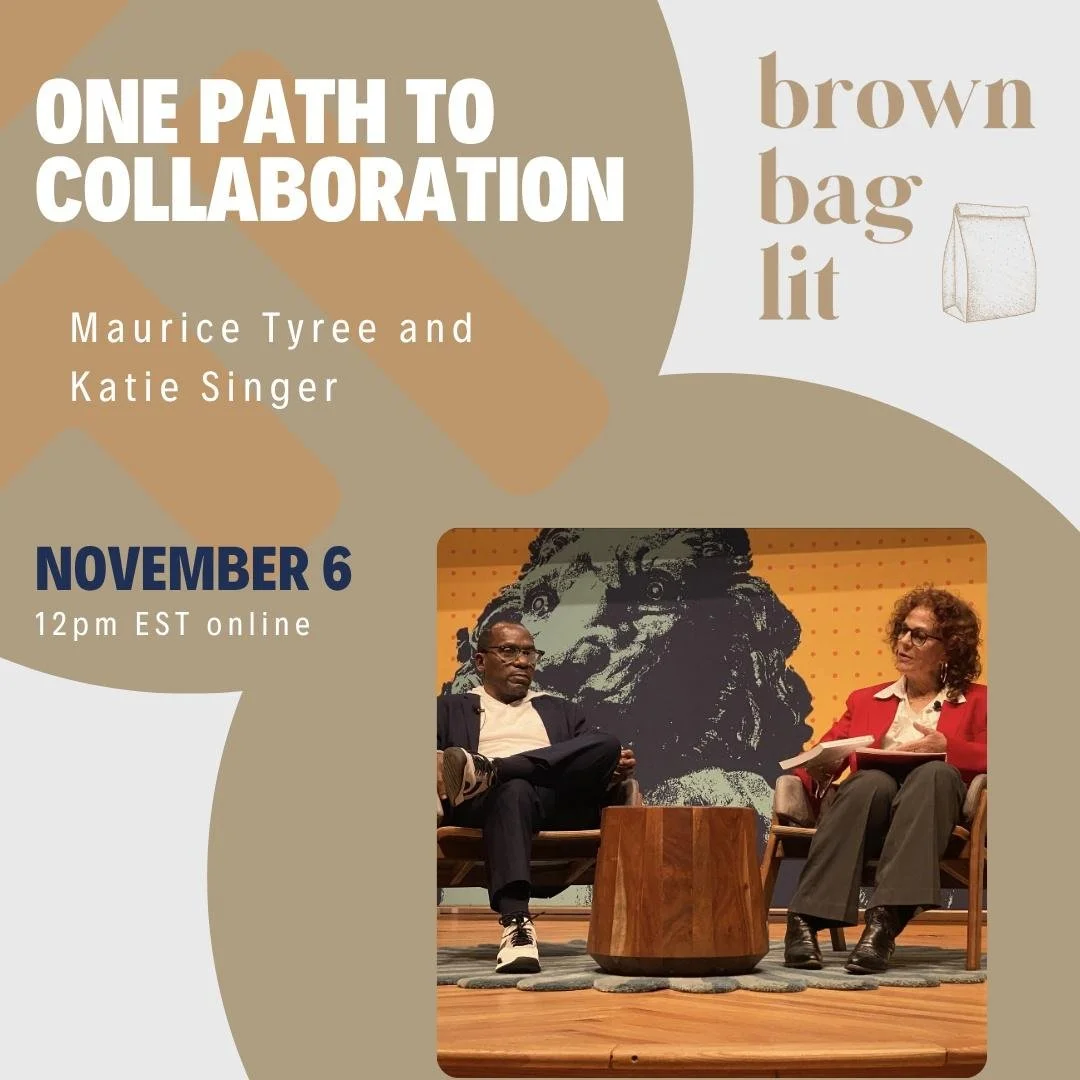
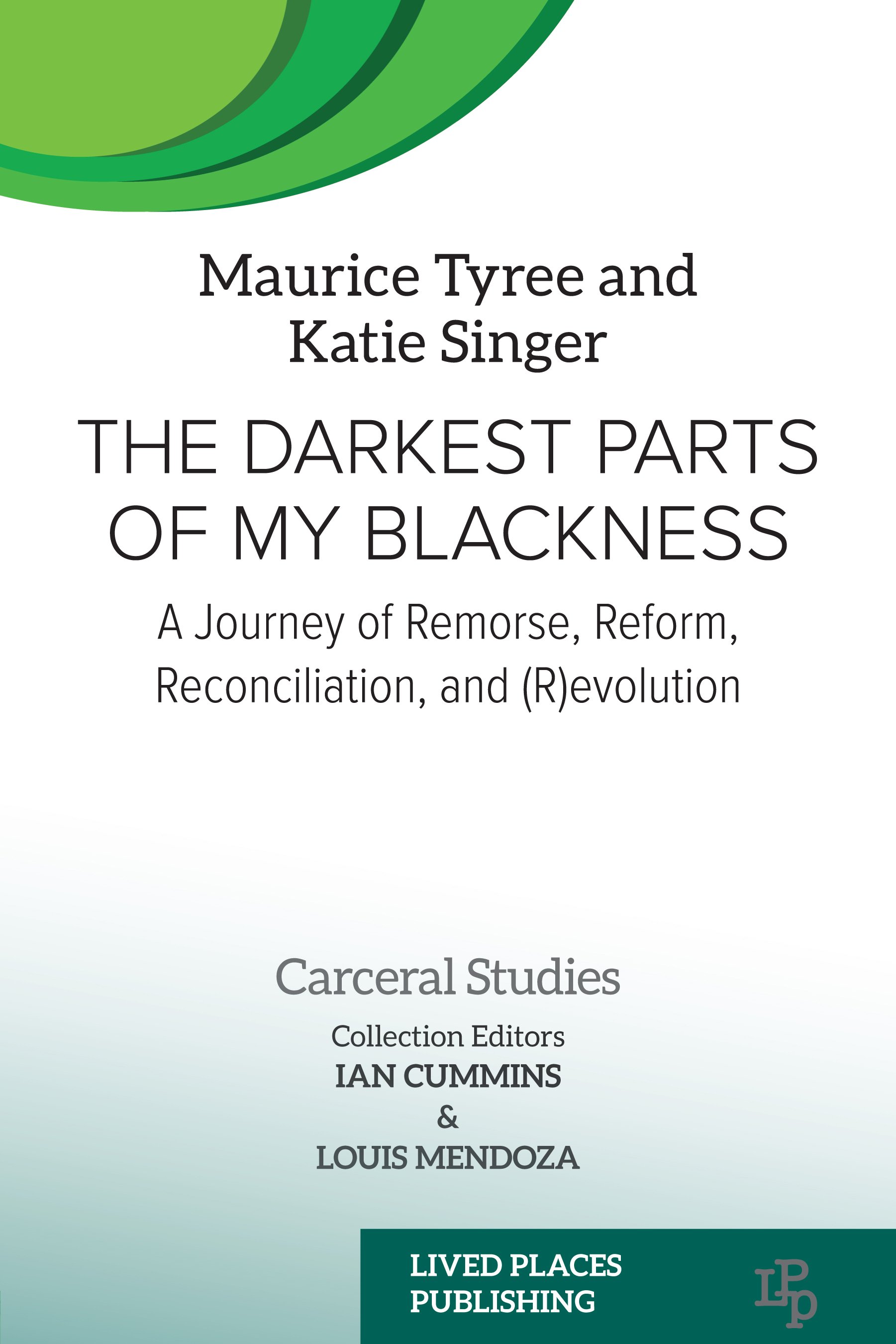
Among the many literary organizations based in the D.C. area is Brown Bag Lit. This online writing community offers free literary programming during lunchtime, bringing together writers from all over, both within the region and outside of it. Here at Washington Unbound, we are fans, and we were particularly intrigued when we learned about their next upcoming event: a conversation on November 6 with D.C. author Maurice Tyree and California-based historian and author Katie Singer about the collaborative process they used to write The Darkest Parts of My Blackness: A Journey of Remorse, Reform, Reconciliation, and (R)evolution, which features letters and poetry written by Tyree during and after his time in prison.
Maurice Tyree, Katie Singer, and Brown Bag co-founder Chloe Miller were kind enough to chat with us about the book, the writing life, and Brown Bag Lit.
WU: Chloe, get us started by introducing our readers to Brown Bag Lit. Give us some background on your great organization, and also share how this particular event with Maurice Tyree and Katie Singer came about.
Chloe Miller: Brown Bag Lit is an online writing community that Shasta Grant and I founded in 2023, 20 years after we first met in Sarah Lawrence College’s MFA program. We offer classes, free events, and more online during the lunchtime hour.
Katie Singer and I used to teach writing together at Fairleigh Dickinson University, which is where we first met in 2005. She later joined a Brown Bag Lit program and got to know Shasta, too.
I was lucky to be able to attend Maurice and Katie’s book discussion last year at George Washington University. We are especially lucky to have the opportunity to host them this year through Brown Bag Lit. We know that our audience will benefit from hearing about their writing experience.
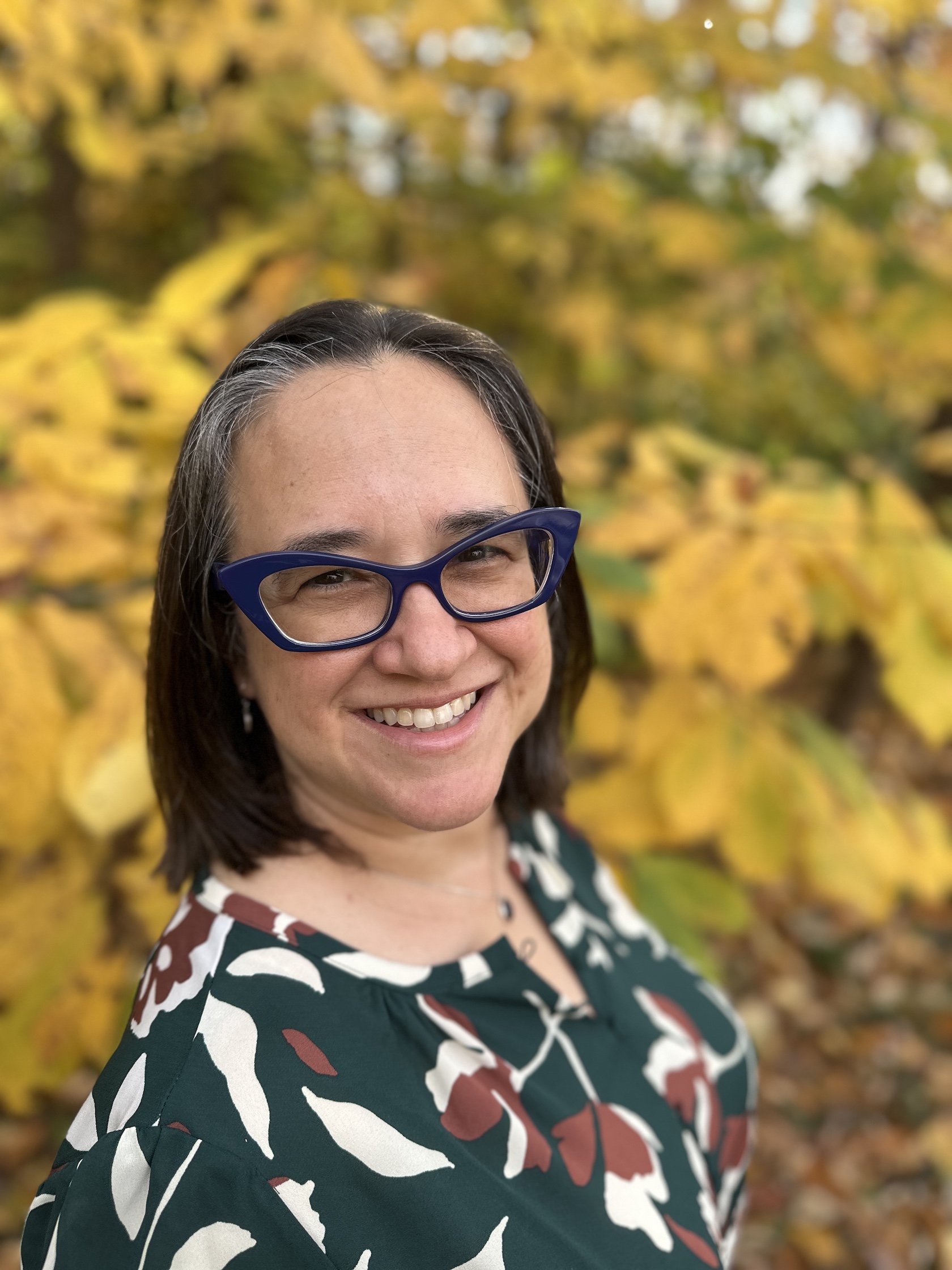
Chloe Yelena Miller
WU: Maurice, introduce yourself to our readers. Give us some background on your life story, and how you began writing while in prison. I’m intrigued by this line from the event listing, and would love to hear more: “Maurice Tyree went to prison thinking that life was disposable. He came out knowing that he had a story to tell.”
Maurice Tyree: Like a lot of kids who grow up basically on the streets, without a solid homelife or great education, I didn’t really see the value of my life—or others’ at times either. The book gives a lot of details of my upbringing that I don’t need to share here. Let’s just say when I got to prison, after a while of believing things were pretty hopeless, I had a revelation. I just started using the mind I was given and realized I had a lot to say—and that a lot of people had gone through similar experiences, too. I became a reader and writer in prison. It’s not easy to do that all the time, not something encouraged, but it was keeping me alive so I kept with it. I was reading a lot of people’s stories, and it was clear I had one, too. So I wrote it to my family, to my friends, to my people inside. It’s not just a story about my life, it’s a philosophical story, an ideological story that has come to me. And I am meant to share it with as many people as I can.
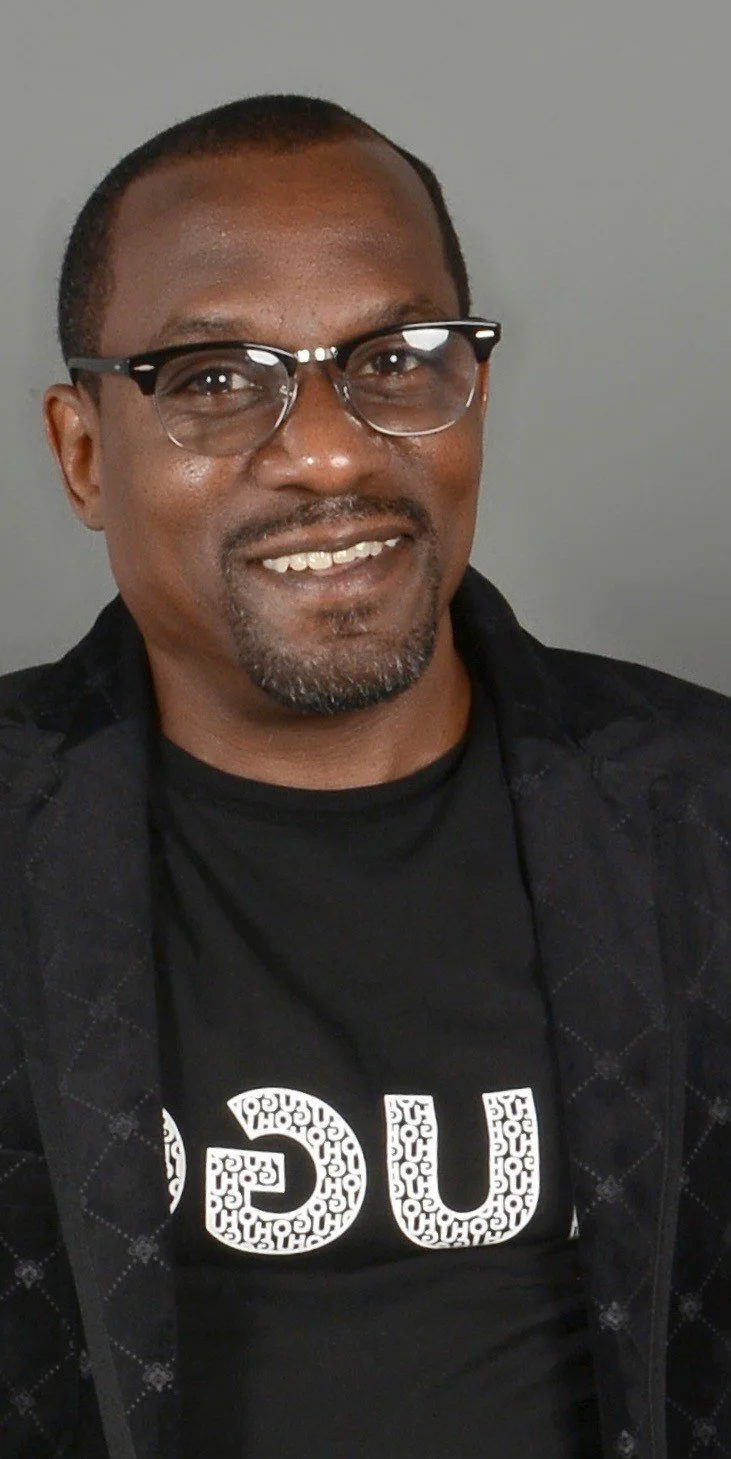
Maurice Tyree
WU: Katie, tell us about yourself, how you started writing, and how you met Maurice.
Katie Singer: I have an MFA in creative writing and a PhD in American Studies. This explains why I see “academic” writing as simply writing. Writing is a way to communicate with others, a way to communicate when alternative options are not necessarily available. I think that’s one thing that struck me about Maurice’s letters, the urgency in them to communicate. I’ve been writing forever, poetry, short stories, essays, comedy sketches. … My academic work is centered on U.S. history’s Great Migration, the era when African-Americans made an exodus from the rural south to various other parts of the country. I rely on oral histories and other primary sources to avoid perpetuating the pattern of white people telling Black people’s stories.
Maurice and I met through an email request sent by a friend of his regarding his desire to write his memoir. I responded, gave him a call, and we just hit it off. He is a dear friend at this point.
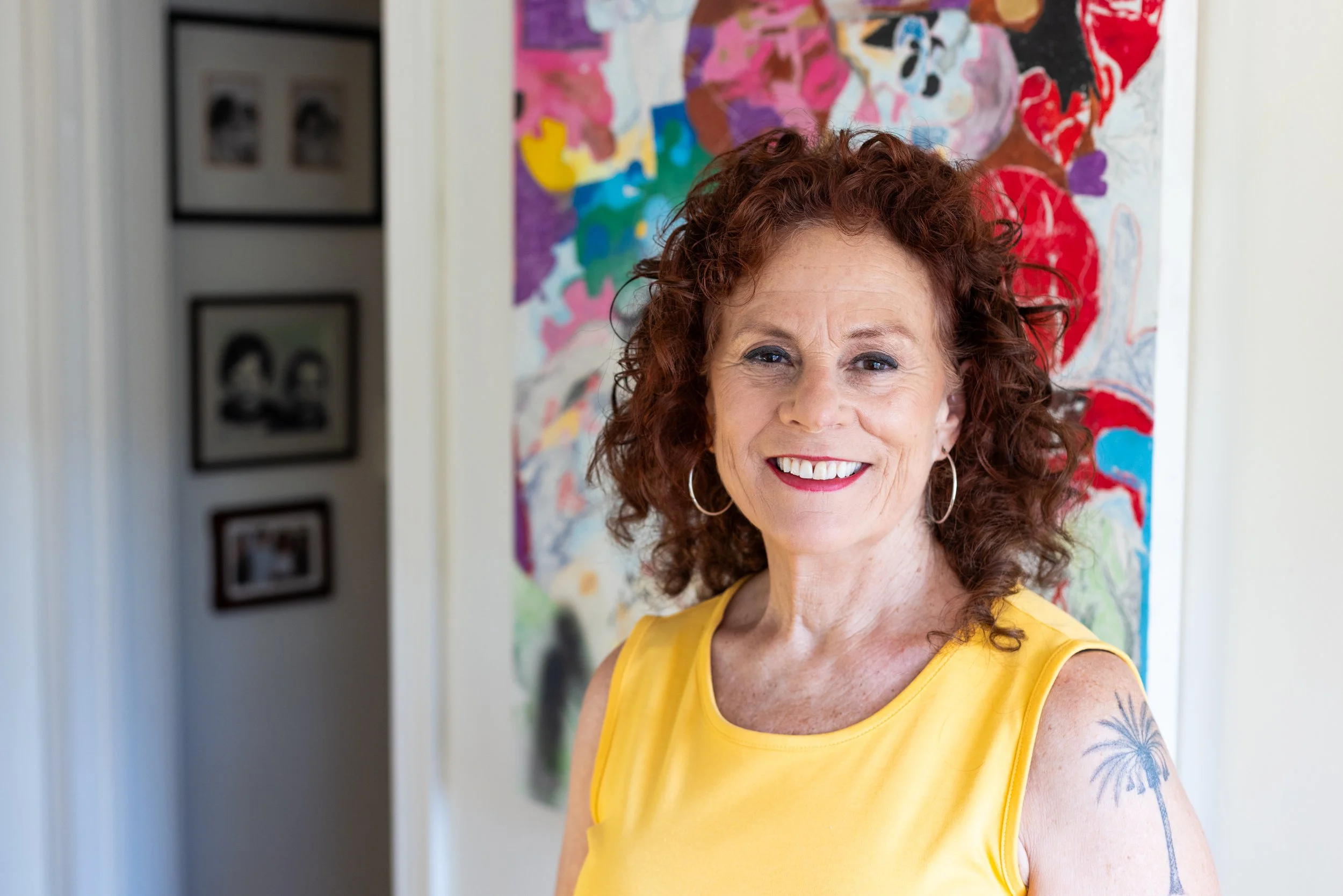
Katie Singer
WU: Maurice and Katie, can you both share about the collaborative process of writing this book? How did it come about, and how does a project like this work?
Maurice Tyree: I knew I wanted to turn these letters into a book, a memoir. I had read so many in prison. When I was released, I let a friend know that’s what I wanted to do, and she sent an email out to a whole group of writers. Katie got the email through someone and was put in touch with me. Our first phone call, we were off and talking. I had no doubt she was the one who was supposed to help me get this turned into a book.
Katie Singer: I was at the national Oral History conference last week and it suddenly dawned on me that the way we wrote our book is totally based on my oral history experience. Basically, I did my research first—studying Maurice’s letters, understanding the times and places in his life, etc. Then I created questions based on that work. I would email him the questions and, when he was ready, we’d get on the phone and I would transcribe our conversation. I turned his answers into narrative. This was a natural process because his responses were so much more than just “answers,” as oral history narratives can be when narrators believe they have space to express themselves.
WU: I’m always fascinated by how someone chooses to tell a story, particularly their own story. My first book is also autobiographical, for instance, but I chose to tell it in fiction because that was the way for me, oddly enough, to get closer to the truth. Talk to me about the decision to tell this story through poetry and letters, how the form came together, and any challenges you experienced with this unusual form.
Katie Singer: I’ll start by saying the letters were written in order to communicate with many people who Maurice could not otherwise, whether inside or outside the prison. He had in mind, early on, to put these letters into a memoir, inspired in part by George Jackson’s Soledad Brother, which he read—amongst multiple other books—while incarcerated. When one reviews the literature, it turns out that books based on letters are not so unusual. From Bram Stoker’s Dracula to Alice Walker's The Color Purple, to the recent hit, The Correspondent by Virginia Evans, epistolary books have been around a very long time.
Maurice Tyree: Yeah, what Katie said. It wasn’t like I was writing letters to make a book. Not at first anyway. I was writing letters to save my mental health. Letters are the most available way to communicate in prison, so there wasn’t much choice. Katie had the idea to include an updated response to all the letters I had written. You know, I was looking back in this book—on the words I wrote and the time I was having. It was hard sometimes, but part of my healing process, too. Then she added the historical and cultural pieces that helped give context to everything I had written about.
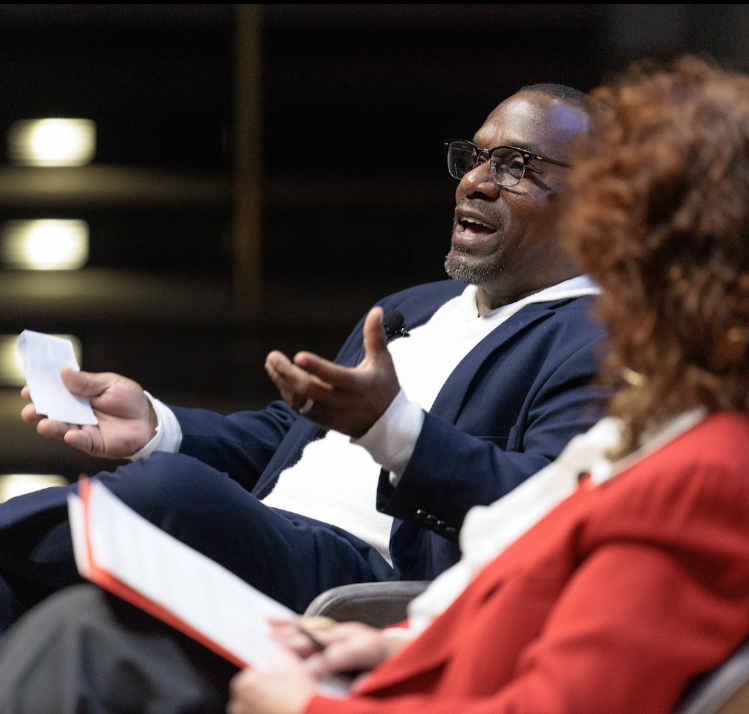
Katie and Maurice at For Freedoms author talk at The George Washington University Corcoran School of Arts and Design. Photographer credit: Lacy Harris, Executive Office of The Mayor, EOM.
WU: Maurice, I can imagine that the act of writing this book may have been transformative for you. Can you talk to us about what you learned in the writing process, as well as the publication process?
Maurice Tyree: The writing process really started with those letters I wrote in prison. I wrote because I was desperate to communicate. I had so many things on my mind. There were deep thoughts based on lots of time thinking and reading, and there were questions—and warnings —I had for family and friends. It is not easy to talk with people in prison, whether you’re trying to get a phone call out, or just trying to talk with your cellie inside. The letters helped me cure the mental health disease I was suffering from. Isolation makes people sick.
Creating the book with Katie was just intuitive. We connected, and the process she came up with gave me time to think and then use my own words in response to her questions. It had me looking back a lot which was rough at times, but also educational. Publishing for me was just about getting the word out, speaking about the book when we had the chance, all that. Katie dealt with most of the administrative work, and the editing, too.
WU: Katie, are you planning on working with more authors on similar projects? And what else is next for you?
Katie Singer: There will never be another project like this one for me. For many reasons. As an oral historian, I do get to sit with people's stories a lot, and I will continue that work. I have completed some oral history interviews recently, here in Los Angeles. My next book is somewhat inspired by an earlier book I wrote, Alien Soil: Oral Histories of Great Migration Newark, in that I plan to foreground the stories of African-American women in Los Angeles’ Great Migration era. Writing the book with Maurice taught me to be an even better listener, as well as to trust my intuition more during the process.
WU: Maurice, what is next on the horizon for you? Do you have a new writing or creative project in the works?
Maurice Tyree: I have had two art shows at George Washington University where I am on the custodial staff. It has included my drawings and poetry. I continue to practice my art. I am also Chairperson of the Commission on Reentry and Returning Citizens Affairs for the D.C. Mayor’s Office. I have two short stories, which I wrote expressing the experiences of my daughter and mother, respectively, that I'm planning to expand and publish using a new media digital approach. I have a poetry manuscript that I am planning to merge with some photography images that I've been narrating with text.
WU: Chloe, what can we look forward to next from Brown Bag Lit?
Chloe Miller: We are currently working on our winter/spring programming. Be on the lookout for more writing classes, fundraisers, discussions on AI, book readings, and more. Check our website (where you can also join our newsletter) and follow us on Instagram, Facebook and BlueSky. We share news about upcoming events and a weekly writing prompt on social media. If you miss an event, you can always catch up with the recording on our YouTube channel.
We work to support writers, including those local to the DMV. Don’t hesitate to reach out with ideas to work together.
WU: Did I miss anything? Chloe, Maurice, or Katie, feel free to share anything else here.
Maurice, Katie & Chloe: Thank you to Washington Unbound for this opportunity and your great work supporting DC area writers and artists!
Attend the Brown Bag online event with Maurice and Katie at 12 pm on November 6. Free but RSVP here. And learn more about Brown Bag Lit and upcoming events on their website: https://www.brownbaglit.com
Buy The Darkest Parts of My Blackness: A Journey of Remorse, Reform, Reconciliation, and (R)evolution directly from the publisher.
Buy Katie’s previous book here.
Read Washington Unbound’s review of Chloe’s book here. (Written by Contributing Writer Naomi Thiers, the review includes a link to buy the book.)
Read Katie Singer’s weekly blog on an African-American woman of Los Angeles' Great Migration era, which is research toward the book she is working on, here.
Maurice Tyree is a native of Washington, DC, USA. At the age of 27, he was convicted of murder. While incarcerated, Tyree worked to transform himself, and now works to share his story while continuing his journey of self-improvement as poet, philosopher, and scholar.
Katie Singer, PhD is an independent scholar of American Studies, with expertise in writing, literature, and African-American studies. https://katie-singer.com/
Chloe Yelena Miller is the author of Perforated (2026) and Viable (2021), both published by Lily Poetry Review Books, and also the poetry chapbook Unrest(Finishing Line Press, 2013). She co-founded and co-directs Brown Bag Lit, an online writing community. www.chloeyelenamiller.com
Norah Vawter is the co-founder and fiction/nonfiction editor of Washington Unbound. Her debut novel will be published by Regal House Publishing in 2028.