
Poems on family, deep friendship, and . . . Italy
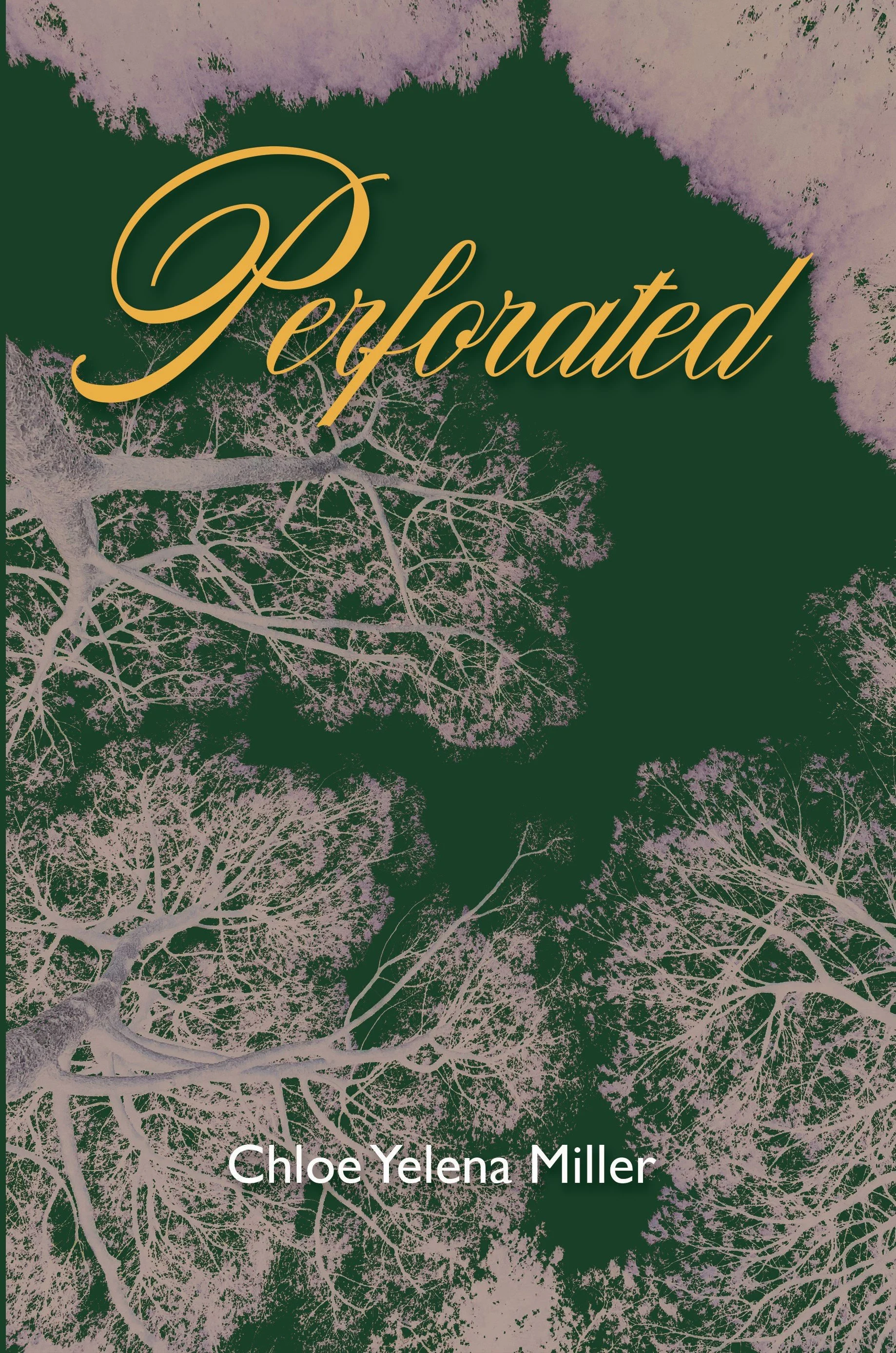
Review of Perforated by Chloe Yelena Miller
by Naomi Thiers
Chloe Yelena Miller’s second collection, Perforated, is an awe-filled reflection on family life (especially parenthood), deep friendship, language, and how people connect to the places and cultures their ancestors are from.
The language in this fine collection is mostly straightforward, “daily” language, skillfully woven to have the rhythm, subtlety, and imagery of poetry. Many of the poems themselves reflect dailiness—finding acorns in her son’s pocket after school, conjuring up delights with a seven-year-old during lockdown. Yet descriptions of daily moments widen into deeper explorations. Many poems cut to the heart of strong emotions like grief, as in “The day I knew”:
The day I knew
we were all dying
was the day she died.
She’s the only one I write to,
the one who wore flowery dresses
when she wasn’t at the Mayo Clinic. . .
Snow when she was buried, or
am I remembering wrong?
It may have been sunny or rainy
or any of the other weathers
that have persisted, impossibly,
despite her absence.
Poems like “Valentine for Our Seven-Year-Old,” capture the emotion of overwhelming love for and delight in one’s child:
I want to write: Heartbeat once as rapid
as the smallest mammal he was, wrapped in polka dots;
innocent bowl of his armpit; impossibility of those knees.
How there was silence and suddenly: A human.
How he reaches for our hands at every intersection…
How he is often underfoot, looking up, repeating “Watch me!”
Three themes weave through many of these moving poems: sadness for someone lost (often loss of a close friend, something rarely expressed in literature); longing for safety in a dangerous time; and the poet’s connection to Italy.
In “Italian Vocabulary: Intimissimi,” for instance, the speaker thinks of an estranged friend as she lights a candle in an Italian church:
Twenty years ago, in Italy,
you sounded out the store name In-ti-mis-si-mi.
Intimissimi, Intimissimi,
IntimissimiIntimissimiIntimissi!
Laughter as repetition
drowned meaning: So intimate!
I took a selfie with a celebrity today.
Thought of you, your desire
to be seen, known, and how
we stopped talking over
what, really?
I light candles,
repeat Intimissimi until
we are together again
in our platonic love.
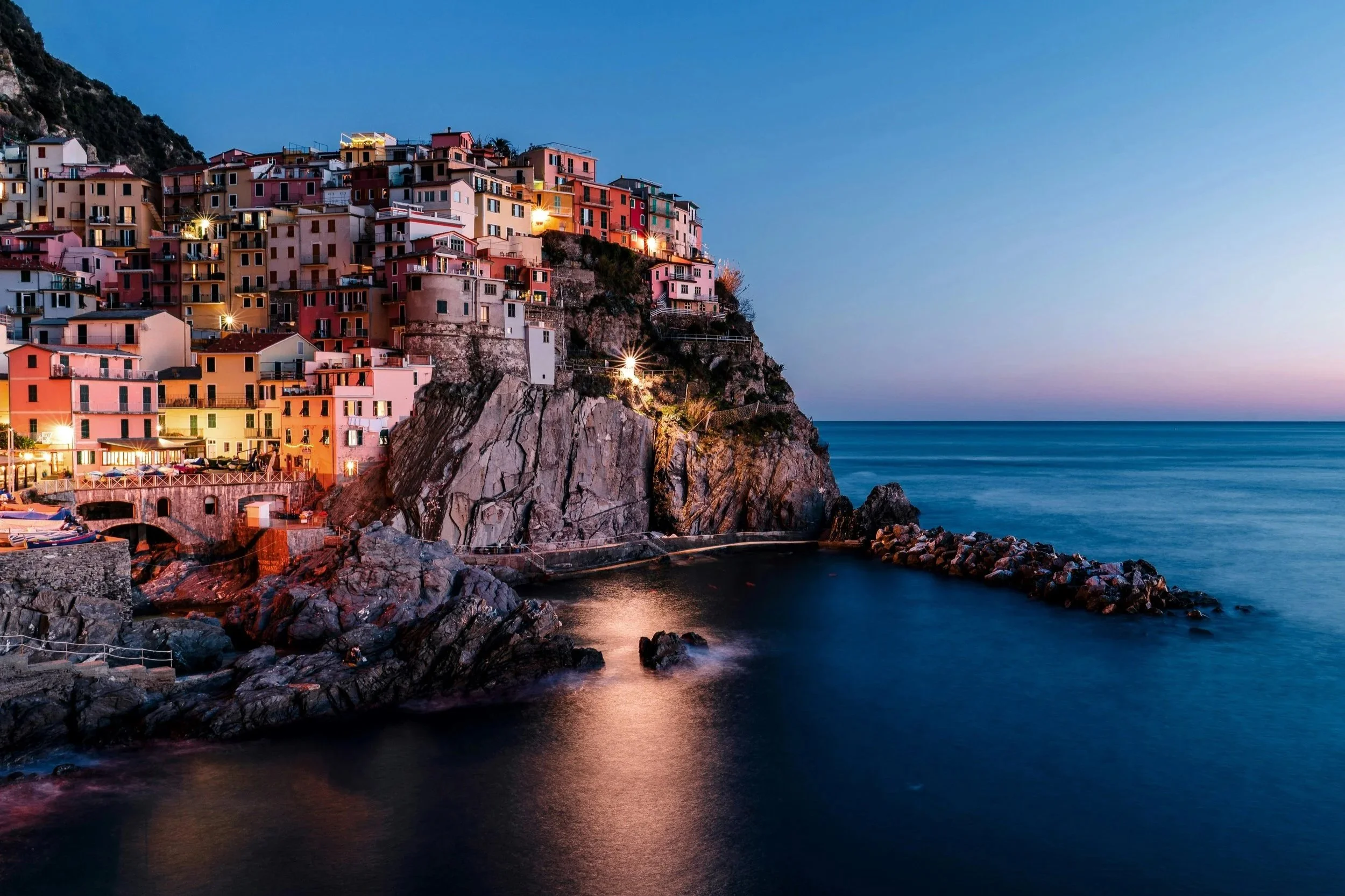
Italian culture is a presence in the book. (Miller is of Italian descent and has lived and worked in Italy for extended periods since 1996.) One characteristic of her poetic craft—connecting many homely details to give the overall ethos of a culture and her connection to it, often in prose poem form—surfaces in the “Italy” poems, like “Italian Vocabulary: Vita”:
The airport taxi drives past a repeated billboard with a coffin
advertising funeral services, later the Wedding Cake and tourists
holding umbrellas to hide from the sun. I remember my American
aunt speaking an Italian dialect. I remember helping to care for her
aging body.
. . . My aunt measured the scoops of her Folgers from a giant tin in her
cupboard. I hum the jingle in the country her mother left, never to
return. The country where her mother last saw her own mother. The
line of women leaving while staying.
In “Parthenon,” watching her son visit the Parthenon leads the poet to feel connected to Italy’s past and her ancestors and relatives who stayed there:
My child’s night shadow
on the Parthenon lengthens
into the passato remoto,
the distant past.
The past without our many lights
along the street, blinking from cars . . .
The past of relatives further south
dead for so long their bones
were transferred, maybe by hand,
with or without ceremony,
from their burial place into a well
in the middle of the walled cemetery.
Finally, the poet’s fierce love for her son comes out in poems wishing for a safer
world for him, and a desperate desire to protect him. Several deal with school shootings:
I was your home. Your limbs nudged my bones to make room for yours.
Now in the dry world, you walk, even dance. I am no longer your
walls, roof, and floor protecting your growth. This is how it should be.
I can not save your body with mine if/when the shooter arrives. I cannot
return to being your home if/when danger rushes in, knocks everything over.
You go to school to learn everything, like how parts make a whole . . . No
one can learn to be bulletproof, so you shouldn’t have to try in the closet.
(“Disarm”)
In “Letter to Another Mother,” addressed to a friend also a mother, Miller writes:
I do not want to be afraid of school.
Tell me that I can stick with my old tricks—a towel over a door so my child
won’t squash his fingers if the door slams in a spring breeze.
As climate change threatens the world, she yearns for her son to be able to plunge into its beauty:
[I] think about how much
I want you to see the tallest trees,
the widest trees, run
down a rocky beach at twilight,
watch the Northern Lights cover
the whole sky like in the planetarium,
touch the aged cold of a glacier . . .
But the nature of my youth
is retreating, like the Dead Sea
(“After School”)
Perforated is full of hope, however—hope grounded in holding onto love for particular people and cultures. As the last lines of a poem about cooking with her son say, “Baking together, we laugh/the kind of laugh that feels like/no one is left not laughing/near or far from this kitchen.”
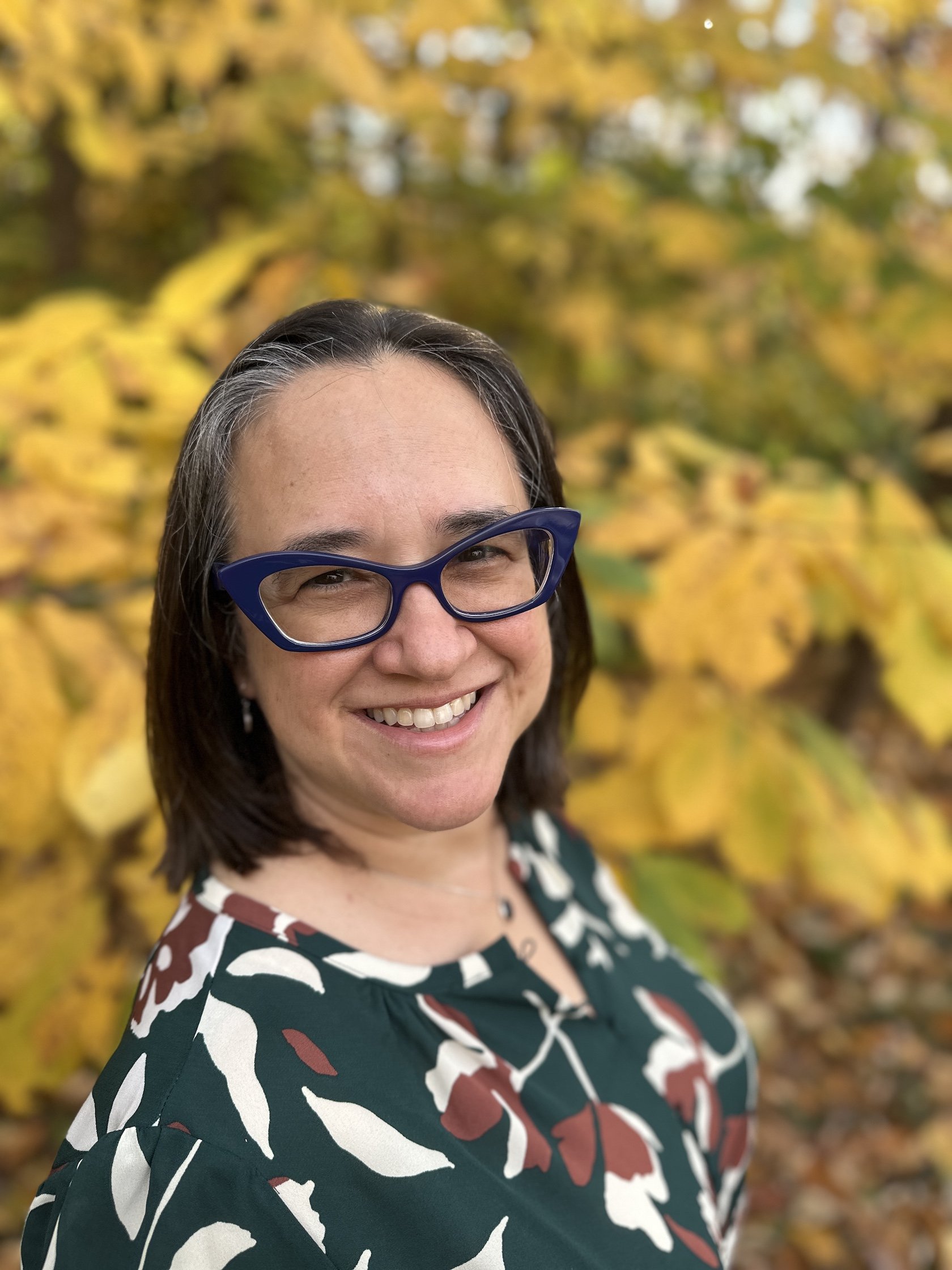
Chloe Yelena Miller is a writer and teacher living in Washington, D.C., with her partner and child. Perforated is her second full-length poetry collection. She’s also the author of the poetry collection Viable (Lily Poetry Review Books 2021) and the poetry chapbook Unrest (Finishing Line Press 2013). She and Shasta Grant co-founded and co-direct Brown Bag Lit, an online writing community. She also teaches writing and literature through University of Maryland’s Global Campus, Politics and Prose bookstore and New Directions in Writing, as well as privately. Miller has a BA in Italian language and literature from Smith College (1998) and an MFA in poetry from Sarah Lawrence College (2003). http://www.chloeyelenamiller.com
Naomi Thiers has published five poetry collections including Only the Raw Hands Are Heaven (WWPH), In Yolo County and She Was a Cathedral (Finishing Line) and Like a Bird Released (Sligo Creek Press). Her work has appeared in Virginia Quarterly Review, Poet Lore, Colorado Review, and many others. She lives and writes in Arlington, Virginia.